Did you know that according to long-term housing market analyses, properties built or renovated with durable, low-maintenance materials tend to retain value up to 15–20 percent better over a 30-year period than those driven by short-lived design trends?
That number alone raises an important question. When you build or renovate, are you solving for how something looks today, or how it performs ten, twenty, or thirty years from now? Property value is rarely protected by what feels exciting in the moment.
It is protected by materials that age predictably, repair cleanly, and still make sense long after trends move on. This guide focuses on exactly that, material choices that quietly do the heavy lifting for decades.
Why material choice matters more than design trends
Materials do more than hold a structure together. They shape maintenance costs, resale appeal, energy performance, and long-term durability. While layout and style can be adjusted over time, core materials are harder and more expensive to replace, which makes early decisions especially important.
Trendy finishes often age faster than expected, not because they fail structurally, but because they visually date a space. Buyers notice this immediately. In contrast, timeless materials provide a neutral foundation that adapts to different styles without needing replacement.
Key reasons material choice affects property value include:
- Longevity, since replacement cycles directly impact lifetime cost
- Perceived quality, which influences buyer confidence
- Maintenance demands, which affect ownership experience
- Compatibility with future updates, renovations, or extensions
Good materials do not shout for attention. They support the property quietly, year after year.
Exterior materials that age well and protect resale value
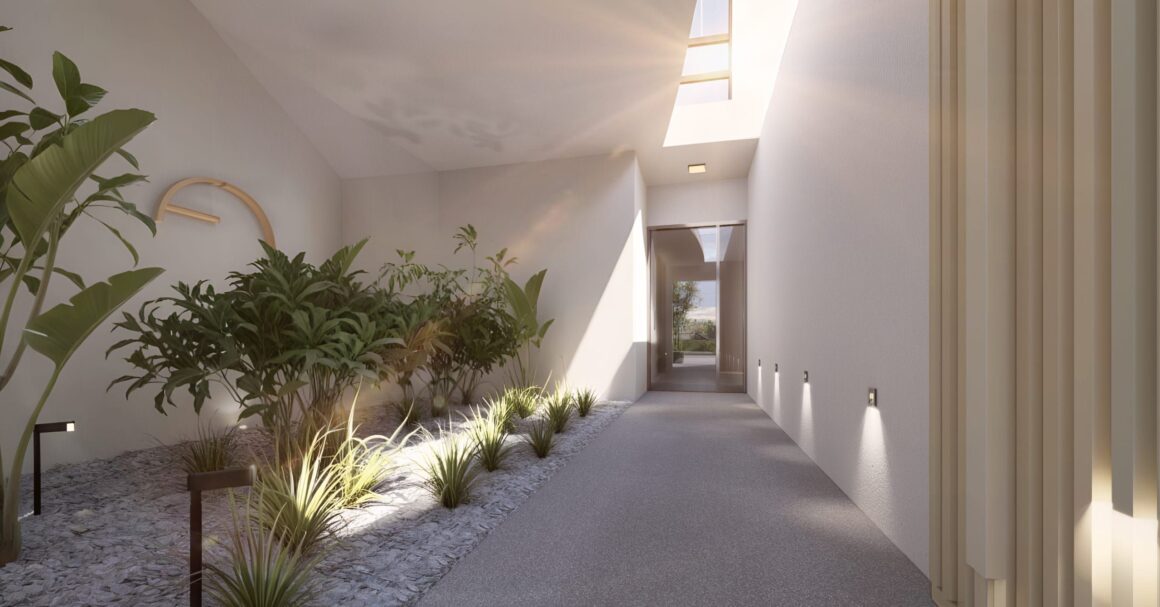
The exterior sets expectations before anyone steps inside. Materials that weather evenly and resist damage signal long-term care, even on older properties.
Brick, fiber cement siding, stone, and well-treated timber consistently perform better than cheaper cladding alternatives.
These materials resist moisture, UV exposure, and temperature swings without requiring constant intervention. That stability matters because exterior repairs are often costly and disruptive.
When choosing exterior materials, focus on:
- Proven resistance to local climate conditions
- Predictable aging rather than sudden visual decline
- Ease of repair without full replacement
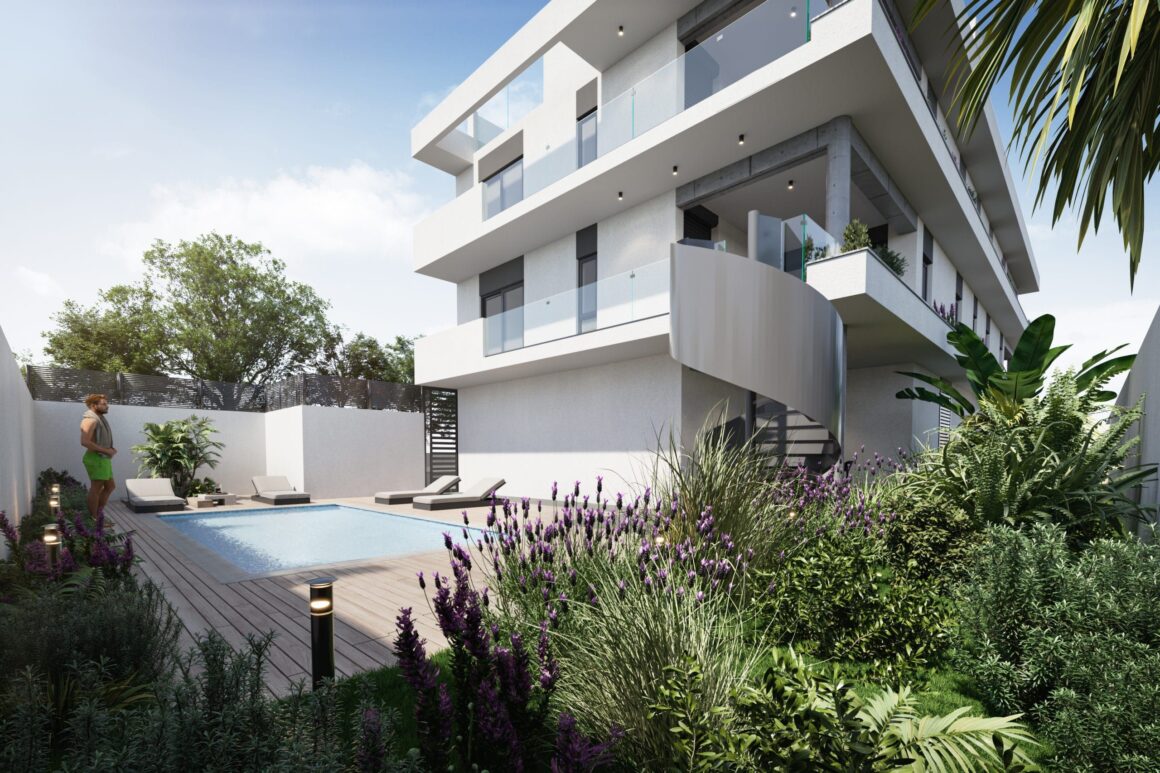
In practice, many long-lasting residential builds emphasize material systems seen on sites like foliahomes.com, where durability and long-term livability take priority over surface-level trends. This approach reflects a broader shift toward building decisions that support value over time rather than chasing short-term appeal.
Structural materials that quietly carry long-term value
Structural materials rarely get attention in design discussions, yet they are among the strongest protectors of property value. Concrete, steel, engineered timber, and high-quality masonry provide predictable performance over decades.
What matters most is not innovation for its own sake, but consistency. Materials that behave the same way year after year allow buildings to settle, age, and adapt without surprise failures.
A few structural considerations that influence long-term value:
- Load-bearing reliability under changing use conditions
- Resistance to moisture intrusion and internal degradation
- Compatibility with future retrofits or expansions
Buyers and inspectors alike respond positively to structures built with conservative, proven systems. These materials reduce uncertainty, which directly supports property valuation.
Interior finish materials that resist visual aging
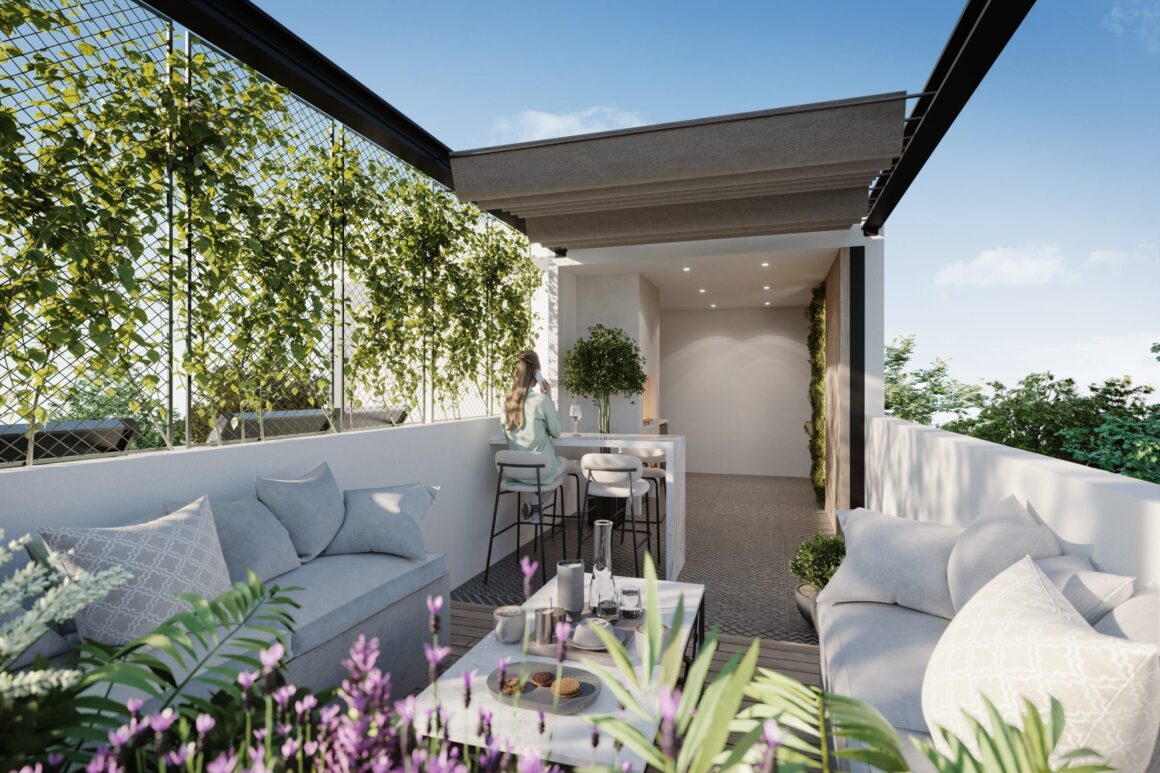
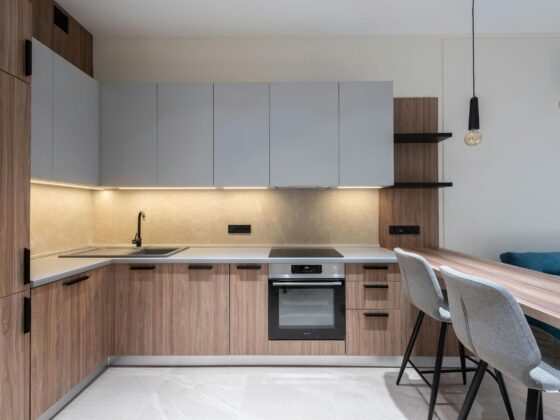
Interior finishes experience daily wear, making material resilience essential. Hardwood flooring, natural stone, ceramic tile, and quality plaster finishes tend to outlast alternatives both physically and visually.
The goal is not to avoid personality, but to avoid finishes that lock a space into a narrow time period.
Neutral, tactile materials age more gracefully and can be refreshed through lighting or furnishings rather than full replacement.
Effective interior finish strategies include:
- Selecting natural materials with visible depth and variation
- Avoiding high-gloss or novelty textures that show wear quickly
- Prioritizing repairable surfaces over disposable ones
Materials that can be sanded, refinished, or lightly restored preserve value because they extend useful life without structural disruption.
Energy-efficient materials as long-term value insurance
Energy performance has shifted from a bonus feature to a core value driver. Insulation quality, window systems, and building envelopes directly affect operating costs and future compliance with regulations.
High-performance materials reduce energy loss and improve indoor comfort. Over time, these benefits compound financially and functionally.
Common long-term energy-focused material choices include:
- Multi-layer insulation systems with stable R-values
- High-quality window frames with thermal breaks
- Air-sealing membranes designed for long service life
- Roofing materials that manage heat gain effectively
Properties built with energy efficiency in mind remain competitive as standards tighten. That adaptability is a form of value protection.
Comparing material lifespan and maintenance expectations
Understanding how materials perform over time helps align expectations with reality. The table below outlines typical lifespan and maintenance profiles for common building materials.
| Material Type | Expected Lifespan | Maintenance Level |
| Brick masonry | 75–100+ years | Low |
| Fiber cement siding | 40–50 years | Low |
| Hardwood flooring | 50–100 years | Medium |
| Laminate flooring | 10–20 years | Medium |
| Asphalt roofing | 15–30 years | Medium |
| Metal roofing | 40–70 years | Low |
Shorter lifespan materials often cost less upfront but introduce earlier replacement cycles. Over decades, that pattern erodes value through repeated disruption and expense.
Moisture resistance as a hidden value protector
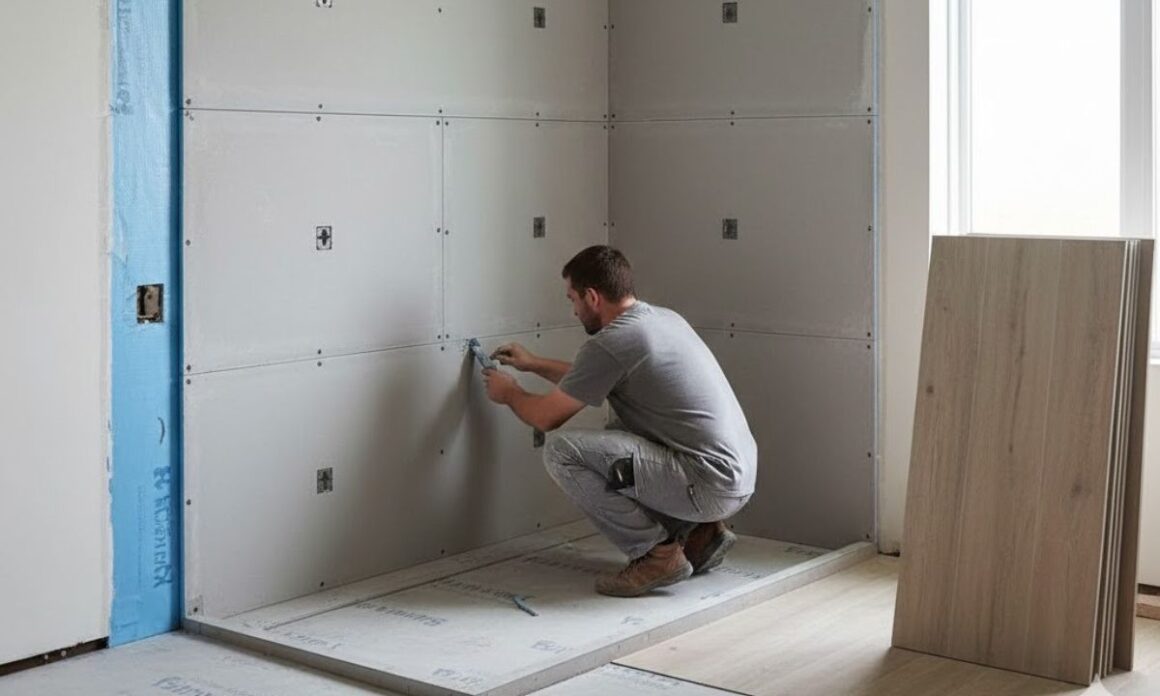
Moisture is one of the most common causes of long-term property damage. Materials that manage water well protect both structure and indoor air quality.
Bathrooms, kitchens, basements, and exterior junctions are especially vulnerable. Poor material choices in these areas often lead to costly repairs that reduce resale appeal.
Effective moisture-resistant material strategies include:
- Using cement-based backer boards in wet zones
- Installing vapor barriers appropriate to climate
- Choosing finishes that tolerate humidity without warping
Moisture-related damage accounts for a significant percentage of long-term structural deterioration in residential buildings, according to building science research.
Materials that handle moisture correctly reduce risk, protect health, and preserve value quietly over time.
Repairability and replacement cycles matter more than perfection
No material lasts forever. What separates value-preserving choices from poor ones is how gracefully materials can be repaired or replaced.
A surface that allows partial repair without visual mismatch is far more valuable than one requiring full replacement after minor damage.
This principle applies across flooring, cladding, roofing, and interior finishes.
Consider materials that:
- Can be patched, refinished, or replaced in sections
- Are widely available and not dependent on niche suppliers
- Do not require full system removal for localized damage
Properties designed around repairability stay functional and attractive longer. That continuity supports both lived experience and market perception.
Building for decades instead of trends
Building for long-term value requires resisting the urge to optimize for what looks impressive right now. Trends change quickly, but materials remain.
The strongest property investments are those built around durability, adaptability, and predictable aging. These qualities reduce surprises and make ownership simpler over time.
A long-term material mindset focuses on:
- Performance under real use conditions
- Compatibility with future design changes
- Stable maintenance demands
- Visual longevity
When materials do their job without constant attention, property value takes care of itself. The result is a building that feels solid, relevant, and trustworthy across generations, not because it follows trends, but because it was never chasing them in the first place.