Outdoor living spaces have quietly shifted from optional luxuries to essential extensions of the modern home. Homeowners today are thinking beyond basic patios and driveways, looking instead for solutions that balance aesthetics, durability, and long-term value. Whether it’s protecting vehicles, enhancing curb appeal, or creating usable shade, the right exterior design choices can significantly influence both functionality and visual harmony.
What makes this conversation more interesting is the growing awareness around climate, material performance, and sustainability. Homeowners are no longer just asking what looks good—they’re asking what lasts, what protects, and what integrates seamlessly with the overall architecture. This shift has opened the door to smarter, more intentional exterior upgrades.
Understanding the Role of Exterior Structures
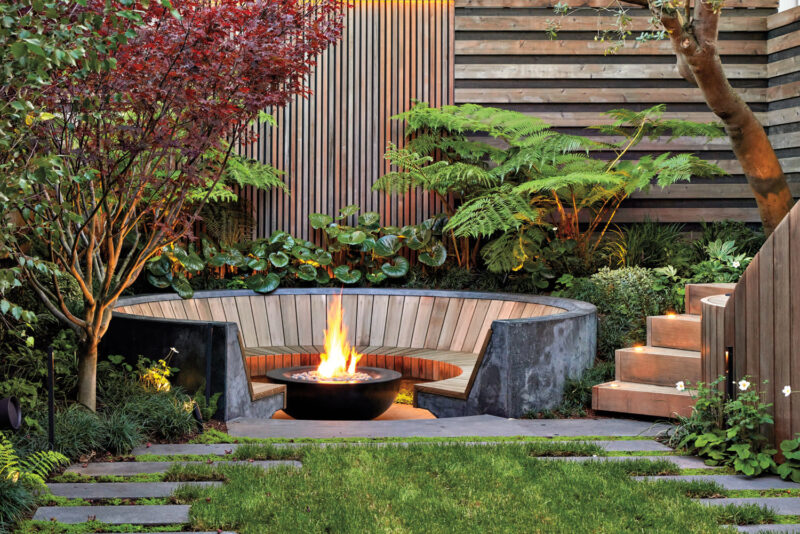
Exterior structures such as covers, pergolas, and awnings are often underestimated in the design process. Yet, they serve a dual purpose—providing protection while also shaping how a home is perceived from the outside. A well-designed exterior feature can anchor the entire look of a property, tying together landscaping, architecture, and functionality.
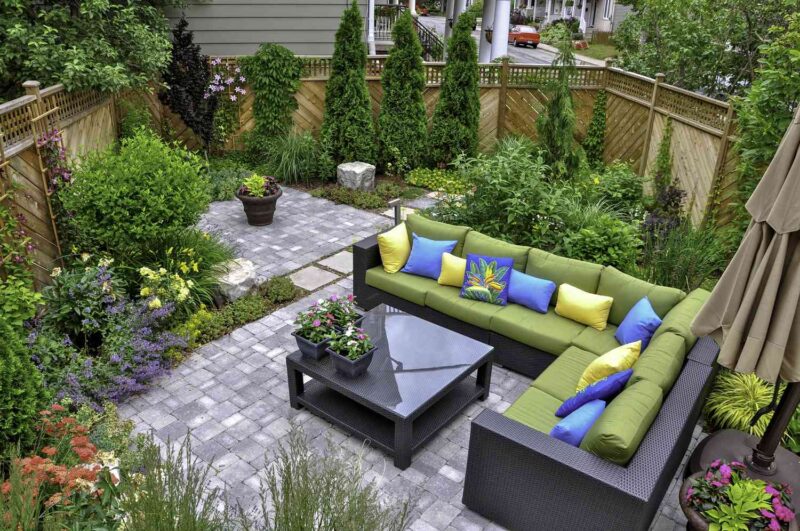
From shielding vehicles against harsh sun to creating comfortable outdoor seating areas, these additions contribute to everyday convenience. But more importantly, they help define zones within a property, giving outdoor spaces a sense of purpose rather than leaving them as unused open areas.
Balancing Form and Function
The challenge lies in striking the right balance. A structure that looks visually appealing but fails to withstand weather conditions will quickly lose its value. On the other hand, purely functional installations can feel out of place if they don’t align with the home’s design language. The most successful outdoor upgrades manage to do both—blend seamlessly while serving a clear purpose.
Material Choices That Influence Longevity
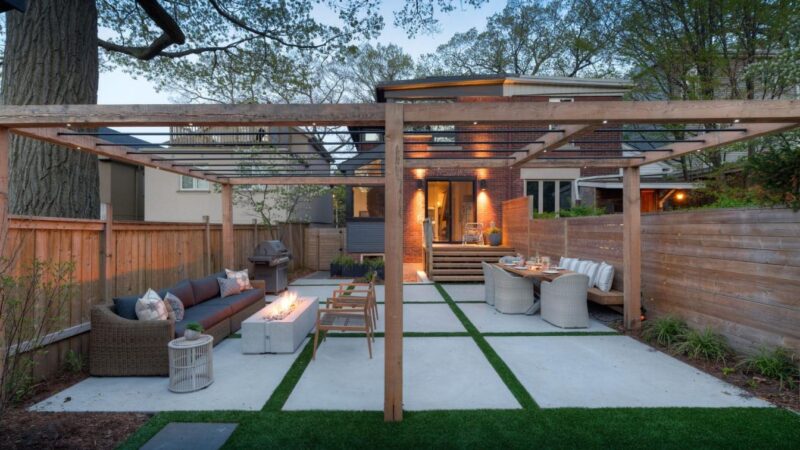
One of the most critical decisions in exterior design revolves around materials. Unlike interior elements, outdoor features are exposed to fluctuating temperatures, moisture, UV radiation, and environmental wear. Choosing the right material isn’t just about appearance—it’s about performance over time.
Metal structures, for example, are often favored for their durability and minimal maintenance requirements. Polycarbonate panels, aluminum frames, and treated steel offer resilience while maintaining a clean, modern aesthetic. Meanwhile, timber can provide warmth and character, though it requires more upkeep to maintain its integrity.
According to design principles outlined by this comprehensive home design resource, climate-responsive materials and thoughtful placement can significantly improve both energy efficiency and structural longevity. This reinforces the idea that exterior design should always consider environmental factors alongside visual appeal.
Integrating Covered Solutions Into Modern Homes
As outdoor spaces become more integrated with indoor living, covered solutions have gained popularity for their versatility. Whether it’s a carport, patio cover, or custom canopy, these structures provide protection while enhancing usability throughout the year.
Homeowners exploring durable and aesthetically refined solutions often turn to providers like Royal Covers, where modern design meets practical engineering. The key advantage of such solutions lies in their adaptability—they can be tailored to match different architectural styles, from contemporary builds to more traditional homes.
Rather than appearing as afterthoughts, well-integrated covers feel like natural extensions of the property. This is achieved through careful alignment with rooflines, complementary color palettes, and proportional design.
Design Consistency Across the Property
Consistency plays a crucial role in exterior design. A mismatch between a home’s architecture and its outdoor additions can disrupt visual harmony. This is why designers often emphasize repeating certain elements—such as materials, finishes, or structural lines—to create a cohesive look.
For instance, a sleek, modern home with sharp angles and neutral tones benefits from equally streamlined exterior structures. Conversely, homes with rustic or traditional aesthetics may lean toward softer lines and natural textures.
Enhancing Curb Appeal Without Overcomplicating Design
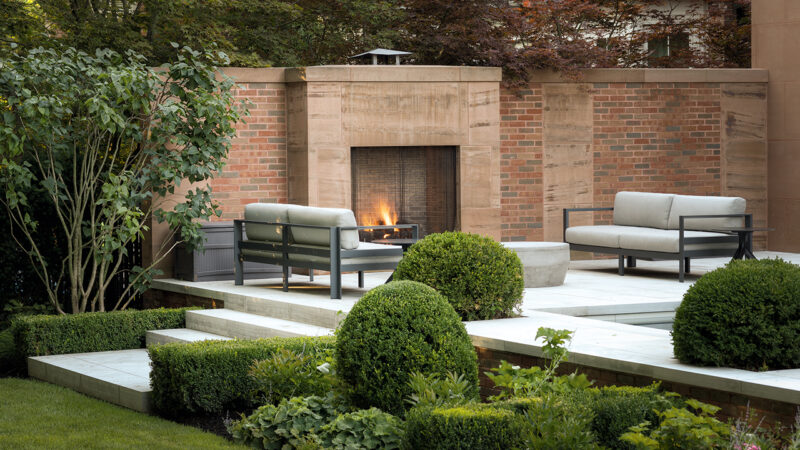
There’s a tendency to assume that more features automatically translate to better design. In reality, restraint often leads to stronger visual impact. A thoughtfully placed structure can elevate a home’s exterior far more effectively than multiple competing elements.
Clean lines, balanced proportions, and intentional spacing allow each feature to stand out without overwhelming the overall design. This approach not only improves curb appeal but also ensures that the space remains functional and easy to maintain.
For homeowners interested in broader ideas and inspiration, exploring resources like modern exterior design concepts and trends can provide valuable perspective on how different elements work together to create cohesive outdoor environments.
Practical Considerations Before Installation
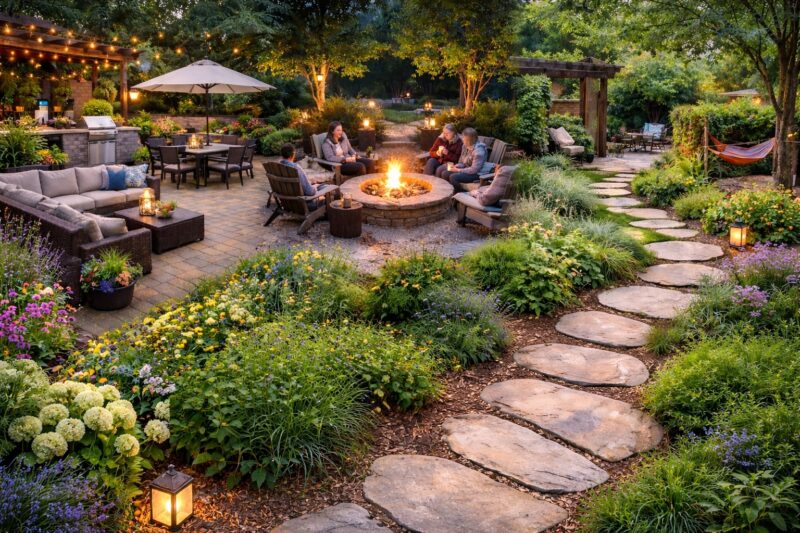
While design is important, practical considerations should never be overlooked. Factors such as local climate, available space, and long-term maintenance all play a role in determining the success of an exterior upgrade.
Before committing to a structure, it’s essential to evaluate how it will be used on a daily basis. Will it provide adequate shade during peak sunlight hours? Does it allow for proper drainage during heavy rain? Is it positioned in a way that complements the flow of movement around the property?
Answering these questions early in the planning phase helps avoid costly adjustments later. It also ensures that the final result aligns with both aesthetic goals and practical needs.
Maintenance and Longevity
Even the most durable materials require some level of upkeep. Regular inspections, cleaning, and minor repairs can significantly extend the lifespan of outdoor structures. Choosing low-maintenance options from the start can reduce long-term effort while preserving the structure’s appearance.
Additionally, considering future adaptability is a smart move. As needs evolve, having a flexible design allows homeowners to modify or expand their outdoor spaces without starting from scratch.
Creating Spaces That Feel Intentional
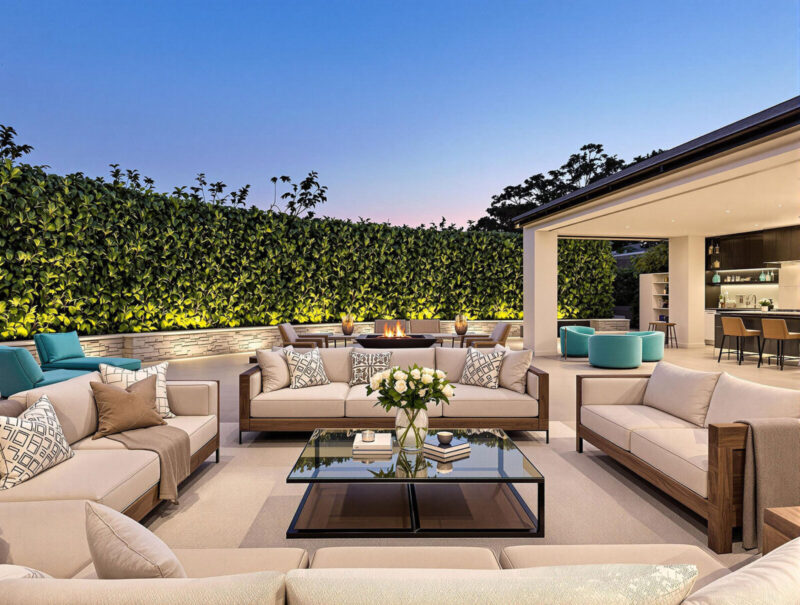
At its core, successful exterior design is about intention. Every addition should serve a purpose while contributing to the overall story of the home. Whether it’s a shaded seating area, a protective car cover, or a decorative feature, each element should feel thoughtfully placed rather than randomly added.
This mindset transforms outdoor areas from passive spaces into active, functional environments. It also enhances how homeowners interact with their property, making outdoor living a natural extension of everyday life.
Conclusion
Designing modern outdoor spaces requires more than a focus on aesthetics—it demands a careful balance of durability, functionality, and visual harmony. From selecting the right materials to integrating structures that complement the home’s architecture, every decision contributes to the overall effectiveness of the design.
As homeowners continue to prioritize outdoor living, the importance of thoughtful exterior planning becomes increasingly clear. Well-executed upgrades not only enhance curb appeal but also add lasting value and usability. By approaching exterior design with intention and attention to detail, it’s possible to create spaces that are both practical and visually compelling for years to come.