
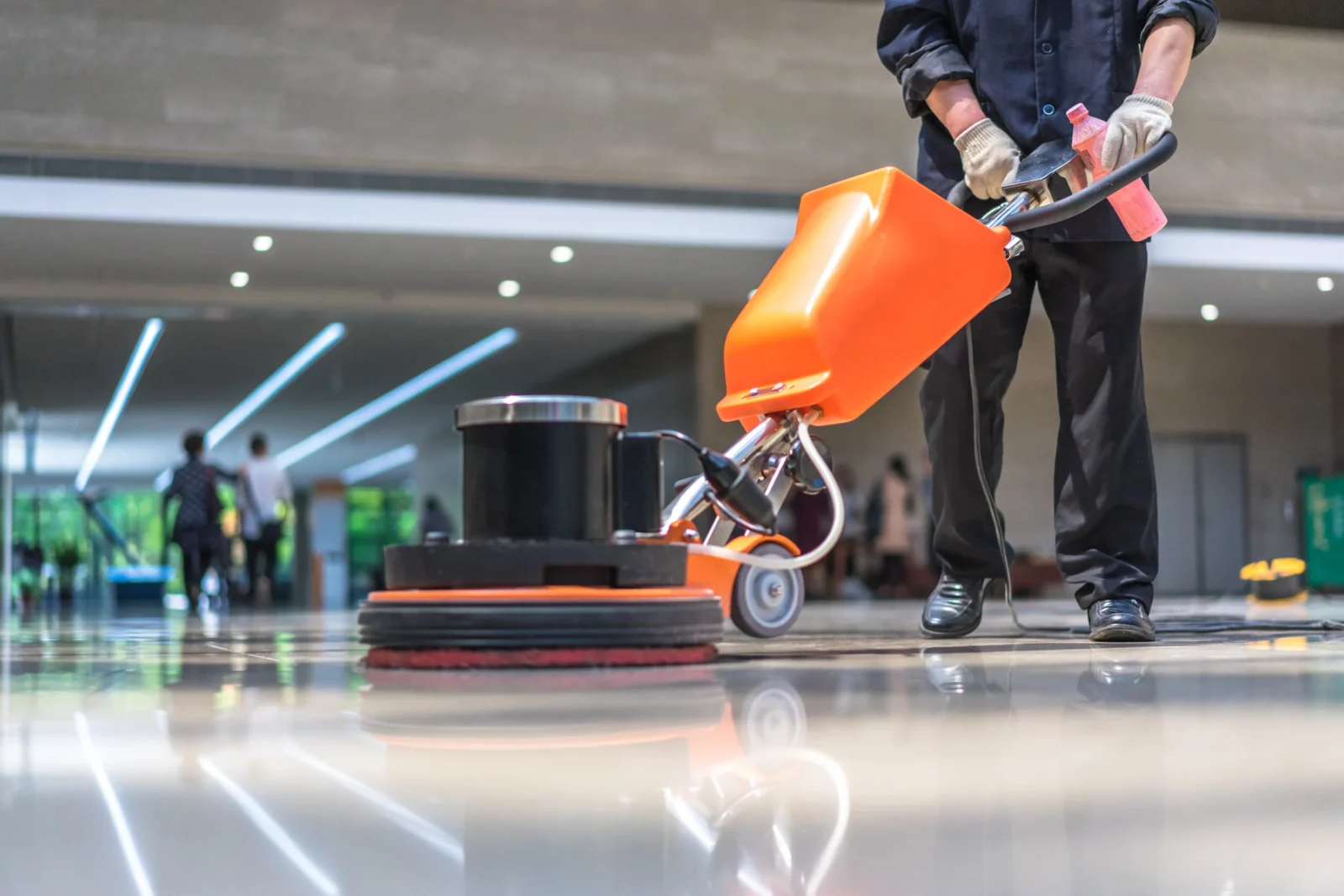
Most floors can be made to look cleaner with a mop, vacuum, scrub brush, or rental machine. The real difference often appears a few days later, when traffic lanes return, grout still looks dark, carpet feels sticky, or dull patches show through again.
Routine cleaning and restorative cleaning simply do different jobs. Professional floor and surface cleaning combines inspection, chemistry, equipment, soil removal, and controlled drying around the material being treated.
In a high-traffic property, that affects more than appearance. It can influence complaints, maintenance workload, downtime, and how quickly managers start thinking about costly floor replacement.
DIY and Professional Cleaning Are Built for Different Outcomes
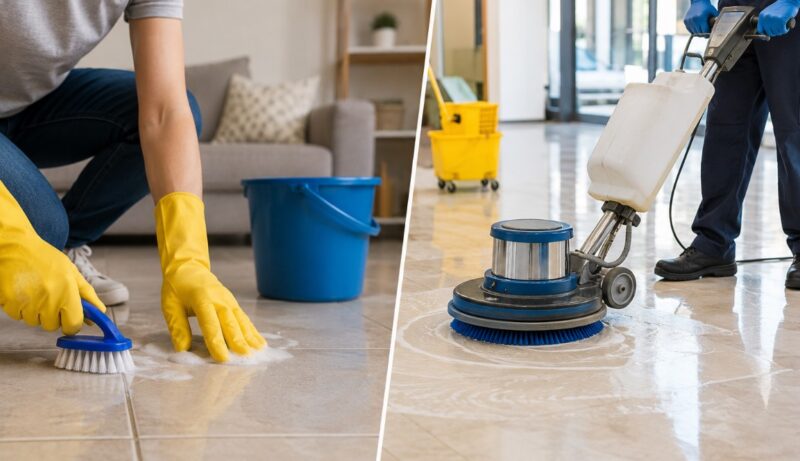
The simplest comparison is to look at what each approach is trying to accomplish. DIY cleaning usually keeps a usable floor presentable today. Professional floor and surface cleaning is more likely to target embedded soil, recurring buildup, uneven appearance, and conditions that routine maintenance no longer corrects.
| Area | DIY cleaning | Professional cleaning |
| Goal | Routine upkeep | Deep cleaning or restoration |
| Soil | Loose dirt, fresh spills | Embedded soil, residue, traffic buildup |
| Method | General tools | Surface-specific chemistry and equipment |
| Drying | Often passive | Managed around recovery and reopening |
| Result | Cleaner surface | More consistent appearance |
DIY is not the wrong approach. It is one layer of the maintenance plan. Problems start when routine methods are asked to do restorative work, especially after repeated cleaning stops changing the result.
Basic Cleaning and Restorative Cleaning Solve Different Problems
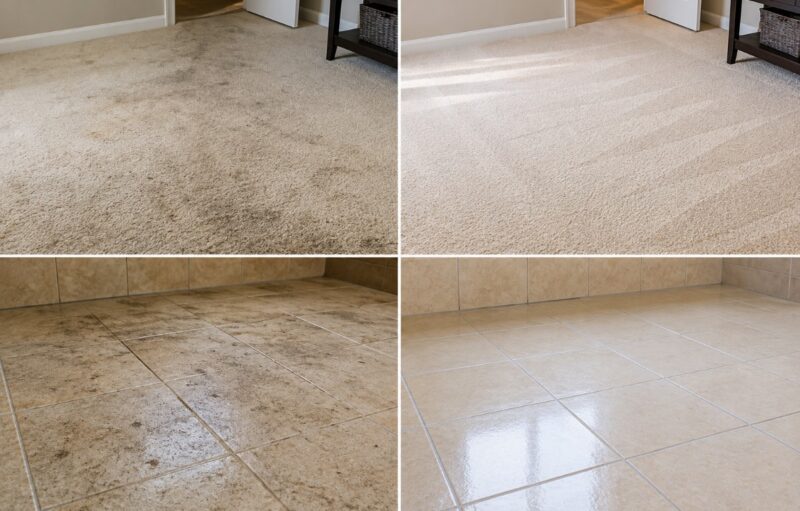
DIY floor cleaning is essential for daily maintenance. Vacuuming removes loose soil, mopping handles fresh residue, and quick spot cleaning can stop a spill from becoming a stubborn stain. The limits show up when routine methods are expected to remove compacted grit, oily buildup, old detergent residue, embedded stains, or soil sitting deeper in carpet and grout.
Restorative cleaning is built around removing that accumulated soil, not simply making the surface look fresher.
The IICRC’s professional carpet standard covers cleaning chemistry, soil management, equipment, cleaning methods, stain removal, and pre-cleaning and post-cleaning inspections.
That gives a useful picture of why deep cleaning is a process rather than a stronger version of mopping, especially when appearance has already started declining.
Commercial Floors Need a Plan, Not Just More Power
Busy buildings create cleaning problems that a lightly used home rarely sees. Entrances collect grit, corridors develop traffic lanes, restaurants add grease and food residue, while hotels and offices need spaces reopened quickly without disrupting guests, employees, or tenants. A professional cleaning plan therefore starts with the surface, soil type, traffic level, dry-time limits, and maintenance history.
That is especially clear with commercial carpet cleaning, where extraction and low-moisture systems may suit different conditions. Renue Hawaii describes combining extraction, agitation, spot treatment, recovery, and low-moisture encapsulation according to carpet type, soil load, access, and drying requirements. In other words, the goal is not maximum power or the most aggressive process available. It is the right method for the property.
What Professionals Control That DIY Usually Does Not
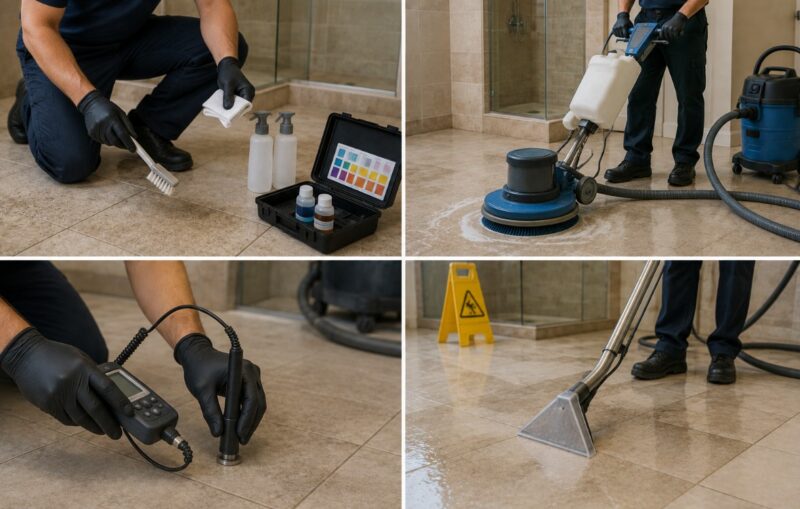
Professional floor cleaning is less about one dramatic machine pass and more about controlling the job from start to finish. Before work begins, technicians can identify the surface, separate wear from removable soil, test problem areas, and choose a process that will not create a second issue while solving the first.
That typically means matching several variables: cleaning chemistry, dilution, dwell time, mechanical action, temperature where appropriate, moisture recovery, and drying. It also means knowing when not to use an aggressive method.
A stronger chemical, hotter water, or harder scrub is not automatically better if the material, adhesive, finish, or backing cannot tolerate it. Good professional cleaning is controlled cleaning, not simply intensive cleaning, and that distinction becomes more important as surfaces age.
Chemistry and Equipment Work as One System
A cleaner only works well when it matches both the soil and the surface. Tracked-in oil, beverage residue, mineral deposits, soap film, and dry particulate soil behave differently, so one all-purpose formula is unlikely to be ideal everywhere. Professionals also think about what happens after soil is loosened: it has to be extracted, rinsed, captured, or otherwise removed from the material.
EPA’s Safer Choice program evaluates qualifying cleaning products for both ingredient criteria and performance, while its greener-cleaning guidance stresses proper product use and training.
More chemicals does not automatically mean better cleaning. Effective cleaning depends on the right chemistry, concentration, agitation, contact time, and recovery method.
That recovery step is one reason professional equipment matters so much in restorative work.
Moisture and Drying Are Part of the Cleaning Job
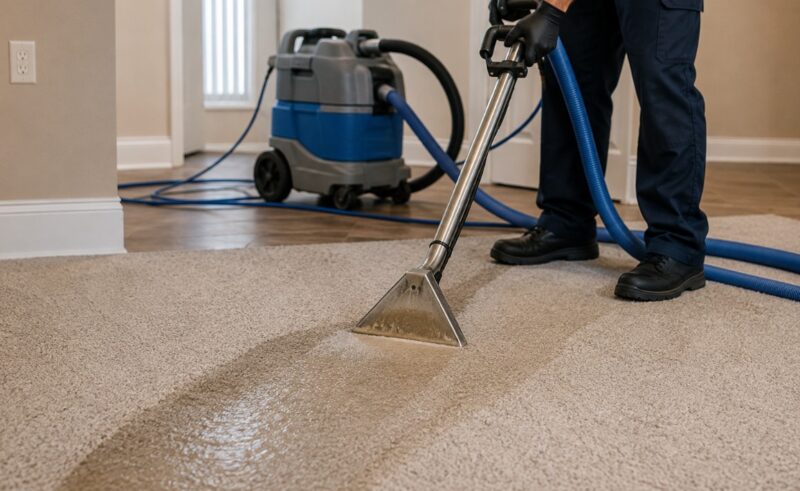
Adding water is easy. Getting soil, residue, and enough moisture back out is harder. This matters with carpet, grout, porous stone, and flooring systems where moisture can remain below the visible surface. Poor recovery may contribute to slow drying, recurring spots, odor, or damp materials long after the floor appears finished.
EPA guidance for schools says floor and carpet cleaning should avoid excess moisture and cleaning-residue accumulation and that cleaned areas should dry quickly. EPA also emphasizes moisture control as central to preventing mold growth.
Did you know? EPA recommends drying damp or wet materials within 24 to 48 hours when possible because prolonged moisture increases the opportunity for mold growth. That makes drying part of the cleaning plan, not a final detail.
At Last
Professional floor and surface cleaning is different from DIY because the process is designed to remove accumulated soil while controlling what happens to the material during and after cleaning. DIY vacuuming, mopping, and prompt spill response remain the foundation of good floor care.
Professional work becomes valuable when buildup is embedded, appearance problems keep returning, or the surface requires restorative treatment rather than another routine pass.
For high-traffic properties, that difference can translate into consistently better-looking floors, fewer complaints, more effective daily maintenance, and a longer useful life before replacement becomes the practical choice.