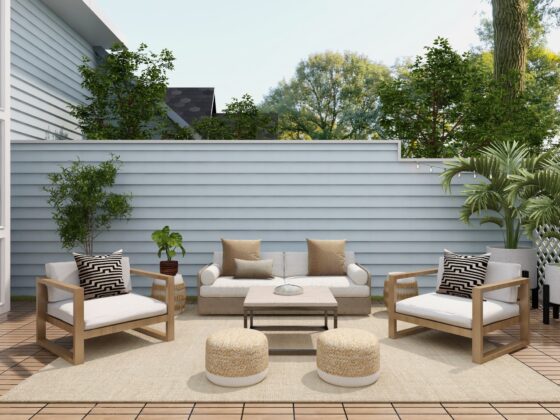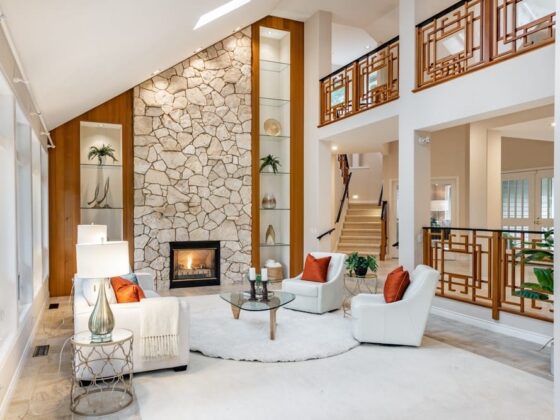
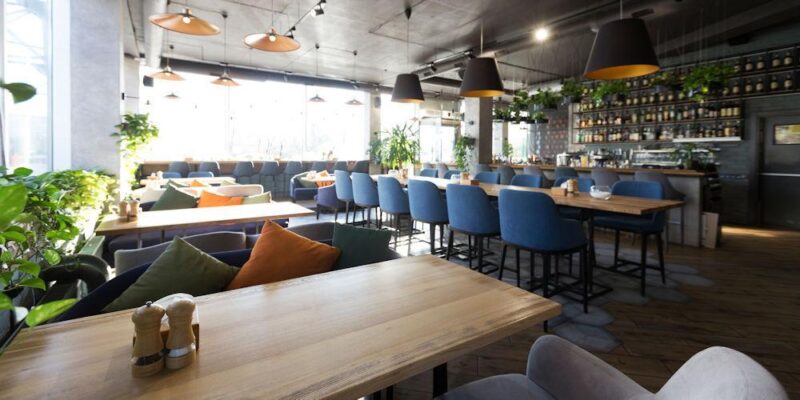
Interior design is far more than choosing furniture and paint colours; it is a strategic marketing tool that can directly influence how customers perceive, interact with, and ultimately buy from your business. Thoughtful, creative interior design – often referred to as interior branding or business interior design – turns your premises into a living, breathing extension of your brand.
From the layout of a shop floor to the atmosphere in a reception area, every design choice subtly shapes customer experience, brand perception and in-store marketing. When done well, commercial interior design can increase customer engagement, encourage repeat visits and support stronger sales, making your physical space one of your most effective – and often underused – marketing assets.
First Impressions Matter – Using Interior Design to Attract and Retain Customers
In business, first impressions happen in seconds, long before a member of staff has the chance to greet a visitor. Your shopfront, reception, lobby or entrance design acts as a visual handshake, signalling what customers can expect from your brand.
A welcoming reception area with clear signage, comfortable seating and a cohesive style instantly makes visitors feel at ease and more open to engaging with your products or services.
Similarly, an attractive shopfront design with well-considered window displays, lighting and branding can stop people in their tracks, drawing them inside. Once customers step through the door, visual appeal and a consistent look and feel help to build trust and encourage them to stay longer.
By investing in entrance and lobby design that communicates professionalism, warmth and clarity, you are not only attracting new customers, but also laying the foundation for stronger customer retention.
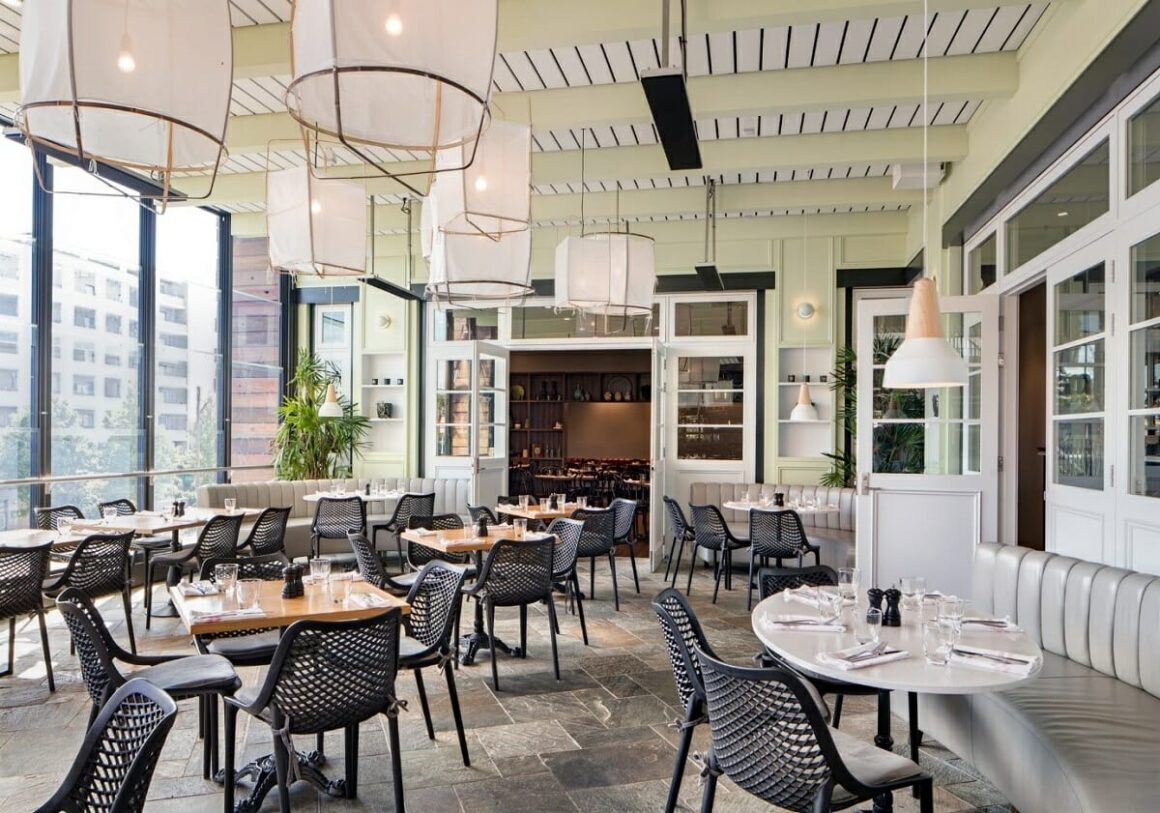
Turning Your Space into a Physical Expression of Your Brand
Your interior should feel like your brand brought to life. Branded interiors use brand identity elements – such as colours, typography, tone and imagery – to create a space that is instantly recognisable and unmistakably “you”.
This might include integrating your logo subtly into fixtures or feature walls, using brand colours in upholstery and finishes, and incorporating brand storytelling through graphics, displays or curated objects. Branded signage and on-brand décor help ensure that every touchpoint, from the reception desk to the fitting rooms or meeting areas, reinforces a consistent brand experience.
When your interiors are aligned with your brand values and personality, customers do not just visit a shop, café or office; they step into a narrative that communicates who you are, what you stand for and why they should choose you over competitors.
Designing for Customer Flow – Guiding People Naturally Through Your Space
Effective interior design does more than look good – it guides customers on a deliberate journey. By considering customer flow and carefully planning your store layout or floor plan, you can gently lead people through your space in a way that feels natural and effortless. Thoughtful wayfinding and signage design ensure visitors know where to go and what to do next, reducing confusion and frustration.
Strategic product placement – such as placing high-margin items at eye level or creating logical pathways past key displays – can increase dwell time and opportunities for discovery. Zones for browsing, trying products, asking for help and paying should be positioned and connected intuitively.
When navigation feels seamless, customers feel in control, relaxed and more willing to explore, which in turn supports upselling through layout and more meaningful engagement with your offer.
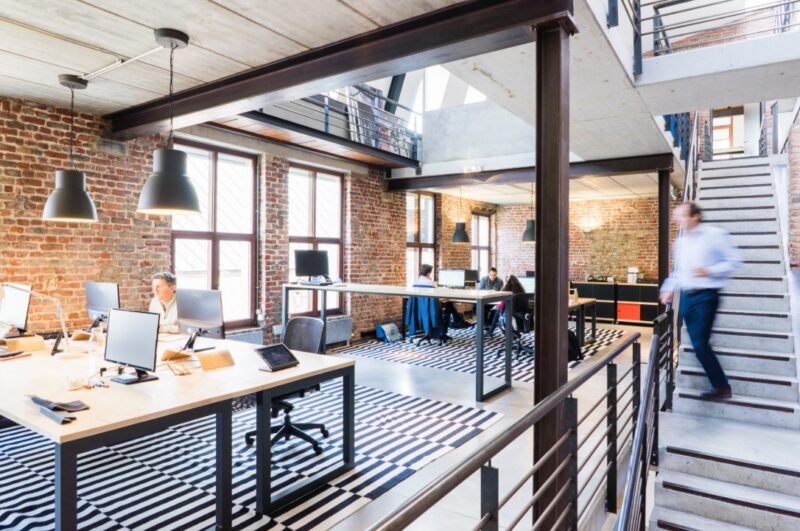
How Creative Interior Design Influences Customer Behaviour and Sales
Creative interior design taps into behavioural design principles and the psychology of space to subtly influence how customers behave and what they buy. Well-placed focal points draw attention to hero products or promotions, while engaging display design and merchandising encourage customers to pick up and interact with items. The way products are grouped, lit and presented can increase impulse purchases and open up new opportunities for product discovery.
For example, pairing complementary items together helps customers imagine complete solutions and can increase basket size. Sales-boosting interiors remove friction, support decision-making and nudge customers towards higher-value options without feeling pushy. Over time, these design choices contribute to a higher conversion rate and more profitable use of every square metre of your premises.
Using Colour, Lighting and Materials to Shape Emotions and Decisions
Colour, lighting and materials play a powerful role in how a space feels and how customers behave within it. Colour psychology shows that different hues can evoke specific moods – soft neutrals may suggest calm and sophistication, while bold colours can convey energy, creativity or urgency.
Lighting design is equally important: warm ambient lighting creates a welcoming atmosphere, while targeted spotlighting can highlight products, artwork or architectural features you want to stand out.
Textures and materials – from natural wood and stone to metal, glass and textiles – influence perceptions of quality, comfort and price point. A carefully curated combination can create a premium feel, a homely environment or a sense of speed and efficiency, depending on your objectives. By aligning these sensory cues with your brand and desired customer response, you encourage emotions and decisions that support your business goals.
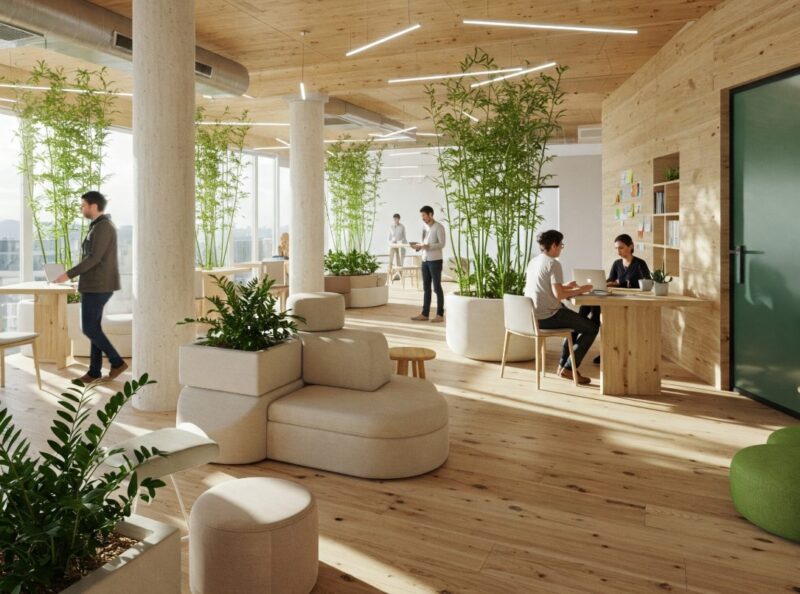
Creating Instagrammable Moments – Design That Turns Customers into Promoters
In the age of social media, your interior can work for you long after customers leave the building. Instagrammable interiors and social media-worthy spaces encourage visitors to take photos and share them online, turning them into informal brand ambassadors.
Deliberate photo spots, such as striking wall murals, feature walls, neon signs or playful selfie corners, give customers a reason to capture and post their experience. When your design incorporates memorable, shareable elements that reflect your brand personality, user-generated content becomes a form of organic promotion and online word-of-mouth. Each tagged photo, story or reel extends your reach, introduces your space to new audiences and reinforces your brand’s visibility without additional advertising spend.
Building Trust and Professionalism Through Thoughtful Interior Details
Customers quickly make assumptions about your professionalism and quality based on what they see around them. Clean and organised interiors with well-maintained fixtures, tidy displays and clutter-free surfaces signal competence and care. High-end finishes, well-fitted joinery and quality materials suggest that you value detail and invest in doing things properly.
Even small touches – such as coherent signage, aligned frames, comfortable chairs or neatly hidden cables – contribute to a professional image and a sense of perceived quality. When your space feels reliable and well looked after, customers are more likely to trust your products, services and recommendations, reinforcing your brand’s credibility and reliability.
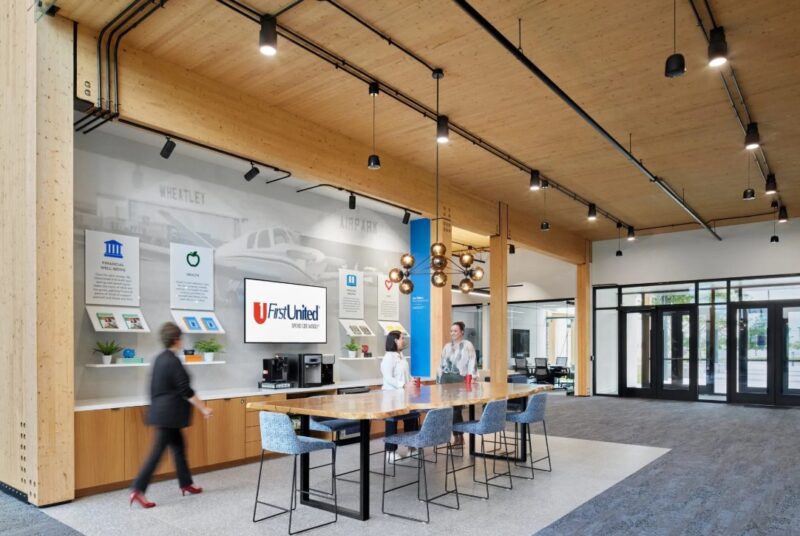
Enhancing Comfort to Encourage Longer Visits and Higher Spend
Comfort is directly linked to how long customers stay, and longer visits often lead to higher spending. Thoughtfully designed seating areas invite people to pause, browse more deeply or discuss options with companions.
Acoustic comfort – such as controlling echo, background noise and sound transfer – makes conversations easier and reduces fatigue. Temperature control and lighting comfort ensure that customers feel physically at ease, whether they are waiting, working or shopping.
Drawing on principles from hospitality design, welcoming waiting areas and rest zones can transform potentially frustrating moments into pleasant experiences. A relaxed atmosphere encourages people to slow down, explore more of your offer and feel good about being in your space – all of which supports dwell time and overall spend.
Designing for Your Target Audience
Effective commercial interiors are never one-size-fits-all; they are crafted around your specific target market. By understanding your customer personas and demographic preferences, you can create spaces that feel immediately relevant and appealing to the people you want to attract.
A family-friendly design might prioritise pram access, durable materials and child-friendly zones, while luxury interiors might focus on exclusivity, privacy and indulgent finishes.
Minimalist interiors can suggest efficiency and clarity, appealing to customers who value simplicity, while experiential retail environments might include interactive elements and immersive zones for those seeking novelty and engagement.
A tailored design strategy ensures that everything from layout and lighting to décor and music aligns with your audience’s expectations, strengthening the emotional connection between your brand and your ideal customer.
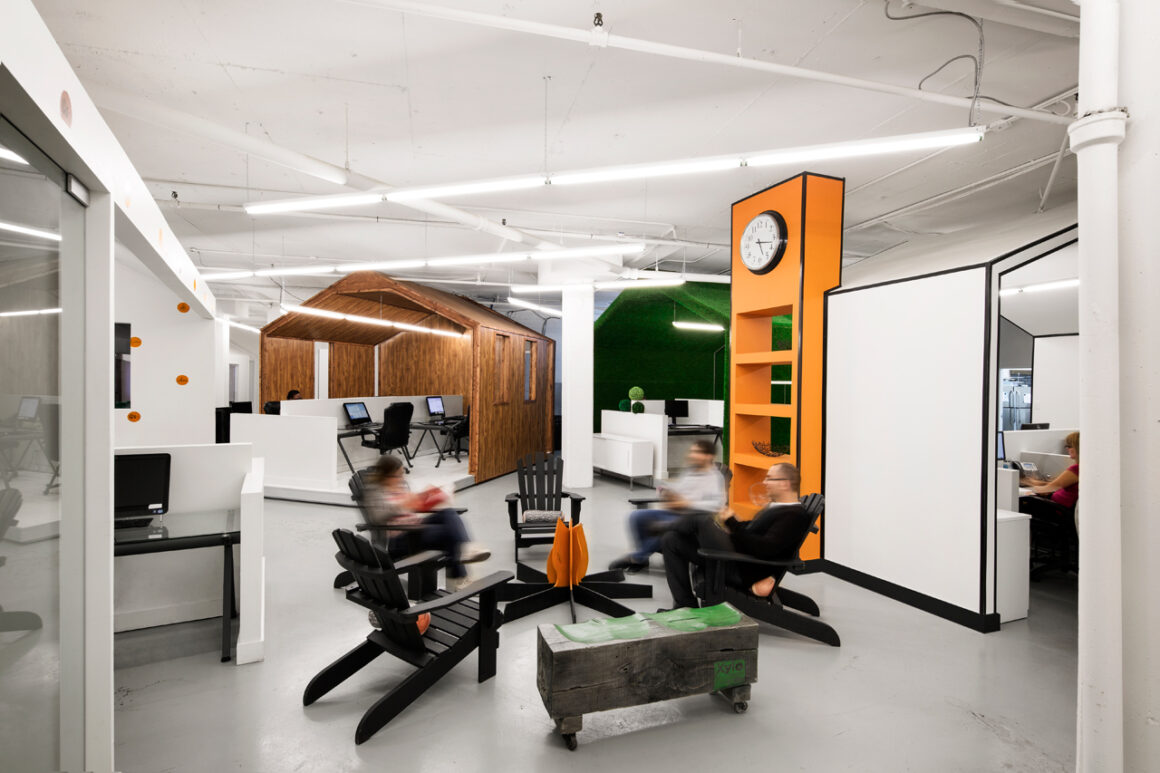
Adapting Your Interior for Hybrid and Digital-First Customer Journeys
Customer journeys are increasingly hybrid, blending online research, digital interaction and in-person visits. Your interior needs to support this “phygital” reality. Dedicated click-and-collect areas, clear pick-up points and streamlined service counters help online customers transition smoothly into the physical space. Digital screens and interactive displays can showcase product information, reviews, customisation options or live social media feeds, bridging the gap between offline and online content.
QR codes placed in-store invite customers to access additional information, sign up to newsletters or follow your social channels on the spot. Offering virtual tours of your interiors or 360-degree views can encourage visits and support remote decision-making. By integrating online and offline touchpoints, you create a cohesive omni-channel experience that feels consistent, convenient and brand-led at every stage.
Measuring the Impact – Proving the ROI of Creative Interior Design
To treat interior design as a serious marketing tool, it is essential to measure its return on investment. Track changes in footfall before and after key design interventions, using door counters or digital analytics where possible.
Monitor dwell time metrics to see if customers are staying longer in the space, and compare sales uplift by product category or area. Collect customer satisfaction data through surveys, reviews and ratings, and look for shifts in comments about atmosphere, comfort or appearance.
Pay attention to brand recognition indicators, including social media mentions, tagged photos and repeat visits. Before-and-after comparison of key performance indicators provides tangible evidence that your design decisions are working. This data not only justifies your investment but also informs ongoing improvements, ensuring your interiors continue to support business growth.
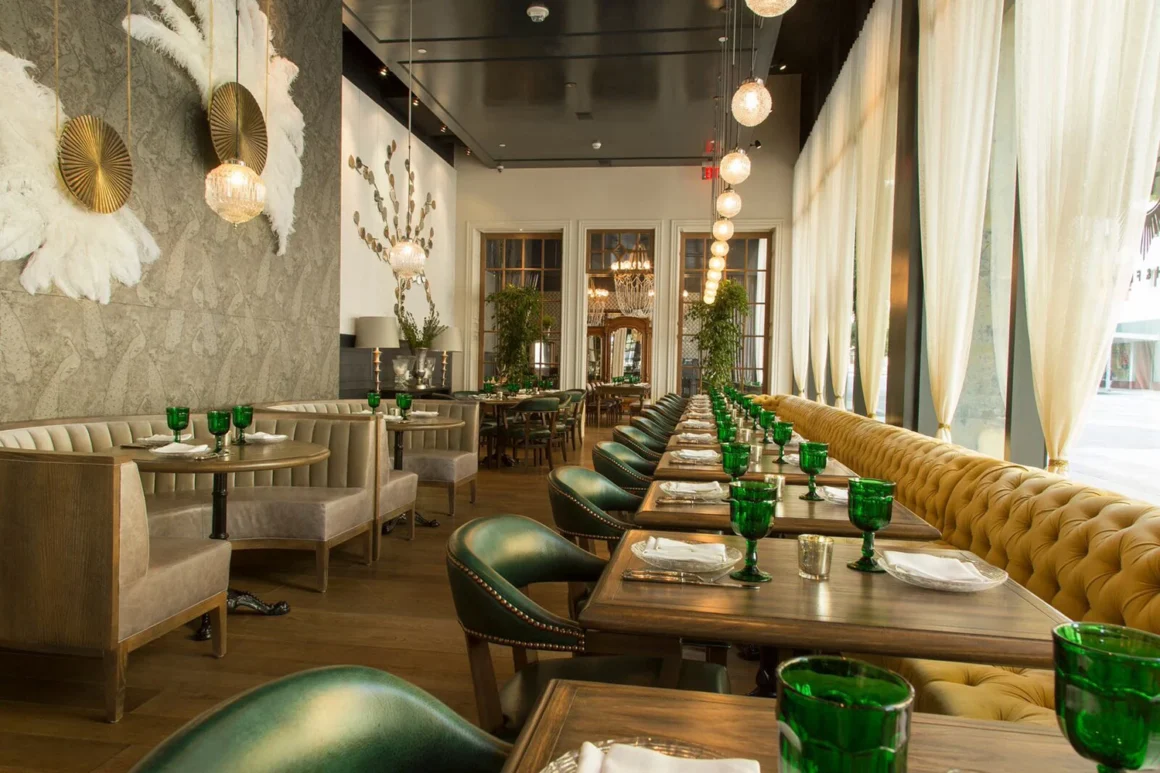
Turn Your Premises into a Silent Salesperson and Brand Ambassador
When you approach interior design strategically, your premises begin to act as both a silent salesperson and a powerful brand ambassador. Every visit becomes an opportunity to communicate your values, differentiate yourself and build loyalty without saying a word.
Design-led business growth gives you a competitive advantage, making your brand more memorable, more trusted and more enjoyable to interact with. Investing in interiors is not merely about making things look nicer; it is about aligning space with strategy so that design actively supports customer loyalty, brand advocacy and long-term success.
The next step is to move from ideas to action: develop an interior redesign plan, identify priorities and consider contacting a professional designer who understands your market. With the right approach, your interior can become one of your most effective marketing tools, working hard for your business every single day.