You have finally cleared the dust, cleared away the plastic sheets, and your newly renovated space is standing ready. But even with fresh drywall and pristine floors, something might still feel a bit empty. That is where a great accent wall comes into play.
It acts as the anchor for the entire room, pulling together your furniture and lighting into a cohesive story. Choosing the right design requires balancing texture, color, and depth so the final result feels entirely intentional.
Let us explore some sophisticated ways to elevate your space from a clean slate to a truly memorable home.
The Power of Texture and Architectural Linework
When you want to add character without overwhelming a room with bright colors, architectural molding is your best friend. Wood paneling has evolved far beyond the dated styles of the past, offering crisp lines that interact beautifully with light.
Floor-to-ceiling vertical slats can make a low ceiling feel significantly higher, while intricate box molding introduces a timeless, classical elegance. The key is to paint the woodwork the exact same shade as the wall behind it. This creates subtle shadows that change throughout the day as natural sunlight shifts across the room, providing depth that flat paint simply cannot replicate.
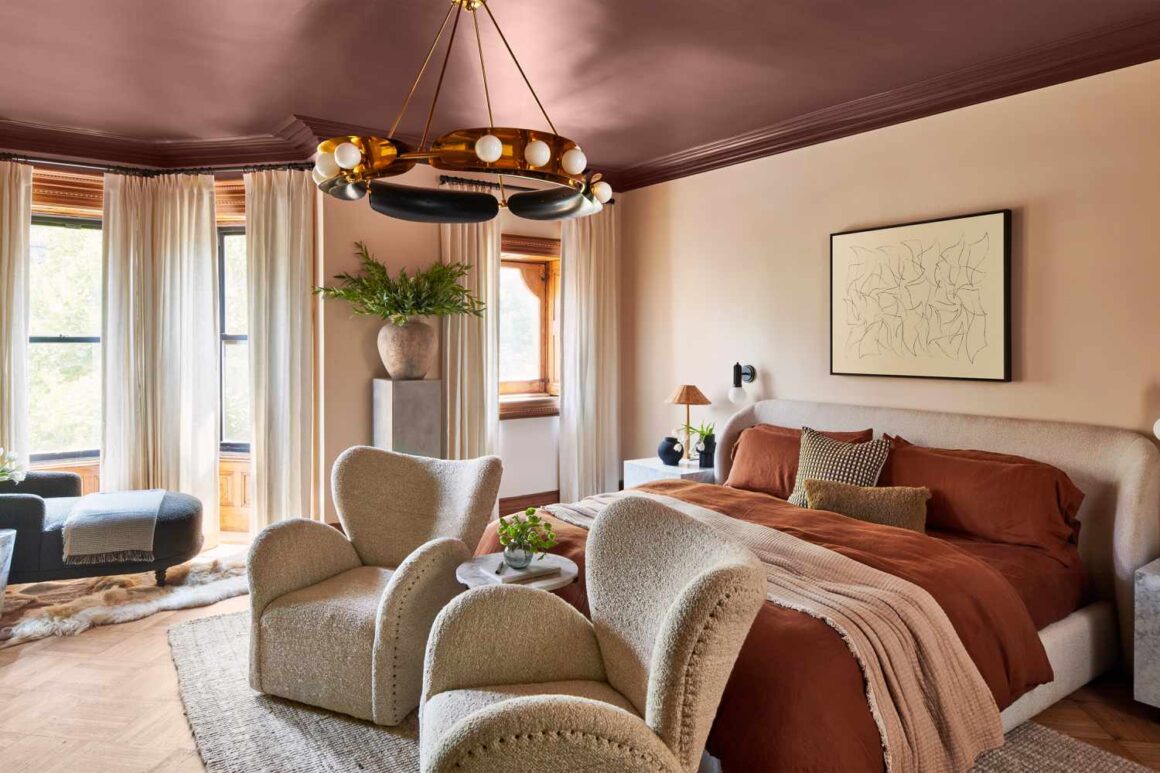
Choosing the right material and spacing for your woodwork dictates the final atmosphere of the room. Wood details can completely shift a design style depending on how they are applied.
- Slim vertical slats offer a modern, Scandinavian aesthetic that emphasizes clean lines and height.
- Traditional picture frame molding brings a refined, historic feel that works beautifully in formal dining rooms or bedrooms.
- Wainscoting protects the lower portion of the wall in high-traffic zones like hallways while adding classic architectural charm.
- Square grid paneling creates a bold, geometric look that serves as a fantastic backdrop for contemporary art pieces.
Illumination and Personalized Focal Points
Lighting is often treated as an afterthought, but it should actually be a primary consideration when designing a focal point. Integrating light directly into your surface surfaces creates an inviting, high-end atmosphere that draws the eye naturally.
For a truly modern and personalized touch, custom light installations can set a specific mood and express your creativity. You can easily create your own neon sign online to serve as a glowing center piece over a textured background or a dark paint color. This custom element bridges the gap between structured interior architecture and playful, modern artwork.
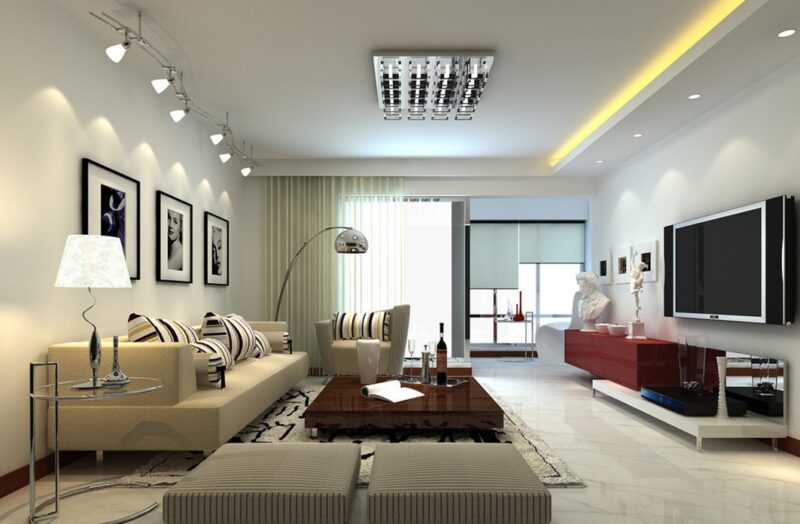
When you blend personalized lighting with the right surface textures, you create an amazing visual layer. To make this work, consider how different materials react to illumination.
|
Wall Material |
Best Lighting Type |
Visual Effect |
| Matte Dark Paint | Neon or LED text | High-contrast vibrant glow |
| Venetian Plaster | Grazing recessed lights | Highlights subtle surface shifts |
| Reclaimed Wood | Warm downlights | Enhances natural grain and shadows |
The data shows that light placement can alter how we physically perceive a room. A 2021 study on light distribution and perceived spaciousness found that illuminated walls can make interiors feel larger, while the position of lit areas can influence perceived depth, height, and width.
By using dimmable accent lights, wall lighting, LED strips, or custom glowing signs, you can shift a room from a bright, practical workspace during the day to a softer, more relaxed environment at night.
Bold Color Blocking and Geometric Murals
For those who love vibrant design, paint remains the most versatile and cost-effective tool in your renovation toolkit. Rather than coating an entire wall in a single dark shade, modern color blocking utilizes sharp geometric lines to define specific zones.
You can use a deep terracotta, forest green, or rich navy to frame a piece of furniture, create a visual headboard, or designate a cozy reading nook.
This method works perfectly in multi-functional spaces where you want to separate your home office setup from the rest of your relaxation area without building physical dividers.
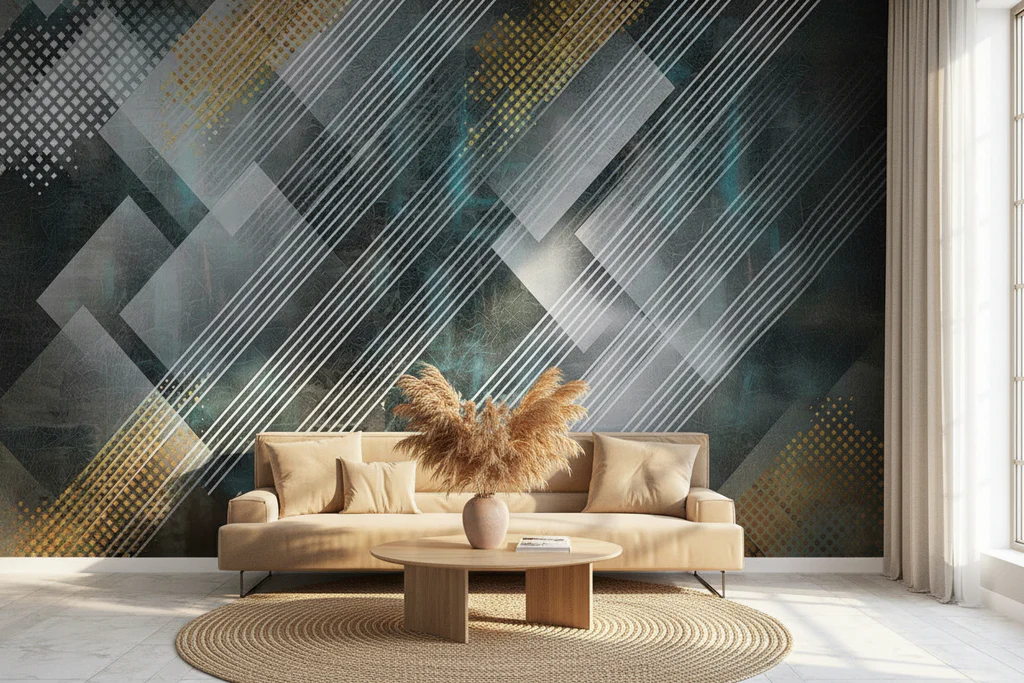
Executing a flawless color-blocked section requires patience, high-quality painter’s tape, and a clear vision of the room’s proportions.
- The 60-30-10 rule helps balance your palette, keeping sixty percent dominant, thirty percent secondary, and ten percent as the accent color.
- Angled geometric shapes add a dynamic energy that works exceptionally well in creative spaces or children’s play areas.
- Arched painted headboards soften sharp architectural angles and create a beautiful frame for beds or entry tables.
Curated Gallery Arrangements and Floating Ledges
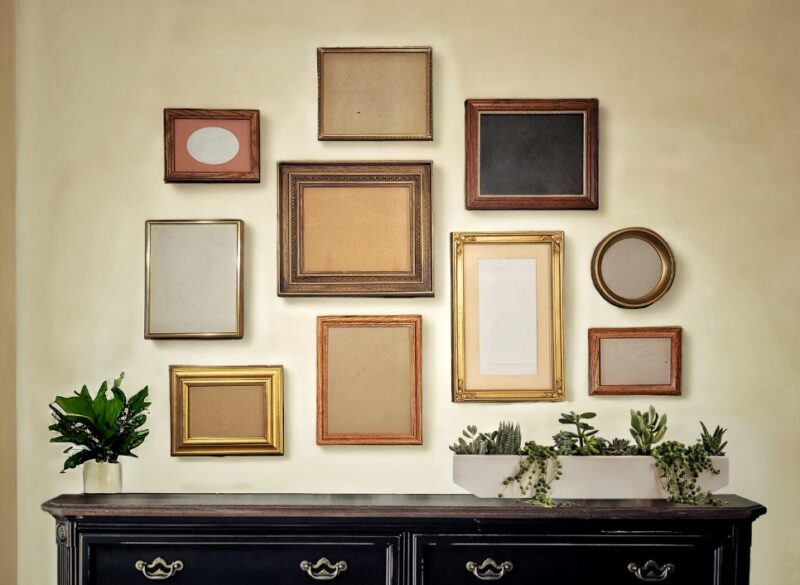
If you are a collector at heart, your accent zone can become a living canvas for your favorite memories and artwork. Instead of a static arrangement of fixed frames, utilizing deep picture ledges allows you to swap out art, books, and small ceramics whenever the mood strikes. Overlapping frames of varying sizes creates a casual, lived-in feel that feels incredibly sophisticated. The secret to keeping this setup organized is sticking to a unified color palette for your frames or focusing on a specific photographic style to maintain total visual harmony.
Did you know that mixing frame materials like natural oak, matte black aluminum, and vintage brass makes a gallery wall feel like it was collected over decades rather than bought all at once?
Bringing your renovation to a beautiful close is all about adding those final, personal layers. Whether you choose the structural elegance of wood slats, a glowing custom sign, or organic plaster, your new wall should reflect how you live. Take your time, experiment with lighting, and enjoy your transformed home.